

Leave a Review


In our modern daily lives, a refrigerator is an indispensable home appliance. With rising living standards, prestigious appliance brands adorn homes everywhere. However, when purchasing a refrigerator, how can you be certain you are making a smart investment? Without knowing how to identify a high-quality refrigerator, buyers frequently end up with models that run up high electric bills or break down prematurely.
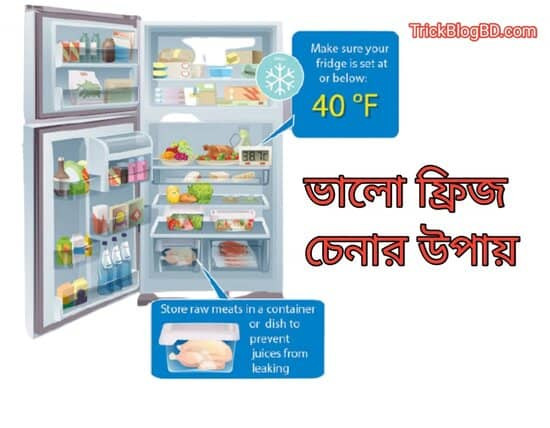
When selecting a reliable refrigerator, several critical technical features demand your attention. Overlooking these factors can lead to regret, while evaluating them ensures you bring home a durable, energy-efficient appliance. Below are 10 essential tips to guide your purchase.
A refrigerator runs 24 hours a day, 365 days a year, making energy efficiency paramount. An inefficient model will substantially inflate your monthly utility bills.
Condensers in consumer refrigerators typically feature either copper or steel tubing. Whenever possible, invest in a refrigerator equipped with a copper condenser:
Ensure the interior lining and door bins are manufactured from certified food-grade plastic. Inferior plastics can degrade over time, imparting foul chemical odors to stored food and compromising nutritional hygiene. Look for certified food-grade indicators (such as the PS6 food-grade symbol) stamped on the interior door frame:

Image: Certified food-grade plastic (PS6) designation inside refrigerator doors.
The compressor is the mechanical heart of any refrigerator. The appliance's overall lifespan and performance depend heavily on compressor build quality. Compressors primarily utilize either copper or aluminum motor windings:
Select a capacity tailored to your family's actual needs. Larger refrigerators require larger compressors that consume more energy. Additionally, consider your usage habits: do you store large amounts of frozen meat and fish, or do you prioritize fresh produce, dairy, and cooked meals? Choose a model where the ratio between the deep freezer and the fresh food compartment matches your household lifestyle.
Modern inverter refrigerators represent a massive technological leap over traditional single-speed compressors. Inverter compressors adjust their operating speed dynamically based on internal temperature and ambient climate, rather than repeatedly shutting off and restarting at full power.
Furthermore, many smart models offer convertible cooling modes—allowing you to convert the freezer compartment into a regular fresh food fridge when hosting guests, or activate power-saving eco-modes during winter months or family vacations.
Understanding the fundamental distinction between Frost and Non-Frost cooling systems is vital:
Top-tier modern refrigerators integrate nano-silver healthcare or activated carbon deodorizing filters. These systems actively neutralize airborne bacteria, mold spores, and pungent food smells, ensuring fresh vegetables, fruits, and dairy stay crisp and hygienic for extended periods.
Ergonomically, bottom-mounted freezer refrigerators are increasingly preferred. Since the average household accesses the fresh food compartment 80% to 90% of the time, placing the fresh compartment at top eye-level eliminates constant bending. Moreover, placing heavy frozen items at the bottom stabilizes the unit's physical center of gravity.
Before finalizing your purchase, carefully inspect the warranty policy:
Investing in a high-quality refrigerator pays dividends in lower electricity bills, better food preservation, and years of trouble-free service. By prioritizing an energy-efficient inverter compressor, copper tubing, and certified food-grade plastics, you can confidently choose the ideal model for your home.
For more home appliance guides, electronics reviews, and smart consumer advice, visit AroraShop!